“The Mask 3” returns to the iconic, chaotic world of the legendary green mask, but with a fresh twist that redefines its power and purpose. This new chapter moves beyond the singular story of Stanley Ipkiss to explore the mask’s true nature as a sentient, shapeshifting force of chaos that seeks out those who need a push to find their inner strength. The film promises a wildly imaginative and hilarious adventure, blending slapstick humor with a deeper exploration of identity, destiny, and the fine line between power and madness.
The narrative begins years after the original film’s events. The mask, having been lost to the bottom of a river, is rediscovered by a new protagonist: a timid, under-appreciated artist named Leo who is struggling to find his voice. He is a good person at heart, but his lack of confidence and fear of rejection prevent him from pursuing his dreams. The mask, drawn to his repressed creativity and desire for change, latches onto him, transforming him into a living cartoon with god-like abilities.
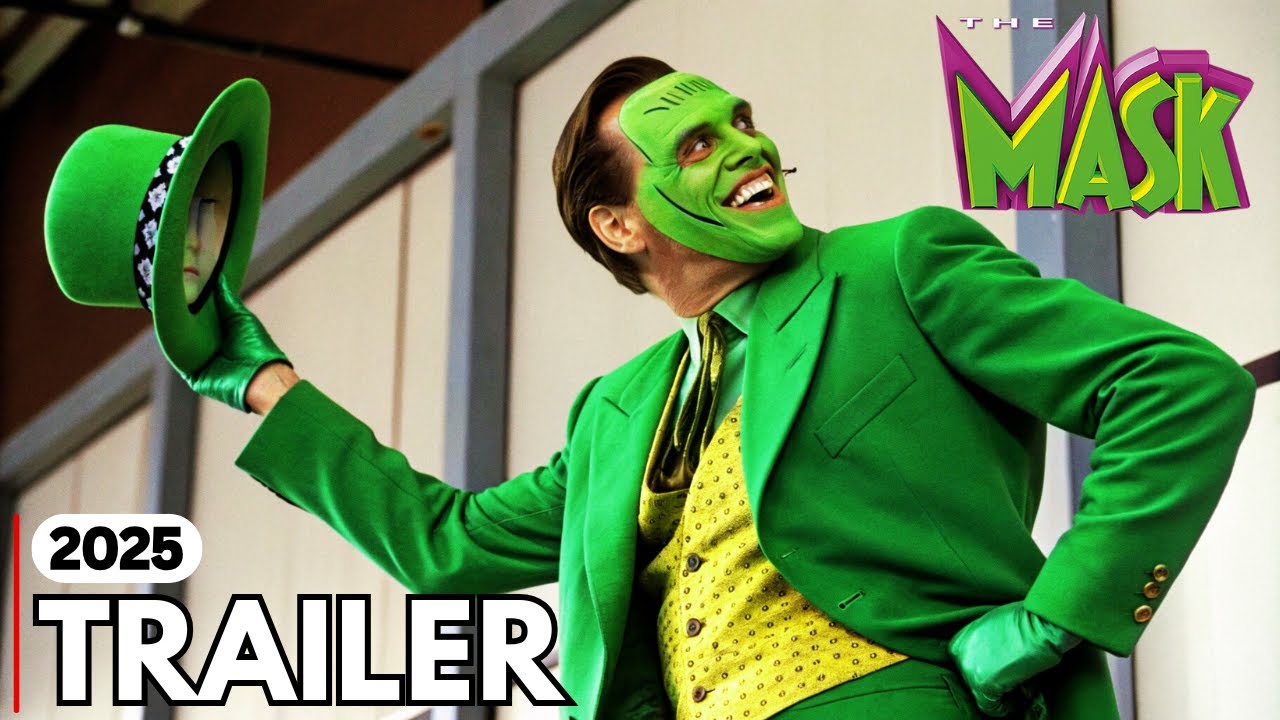
Unlike Stanley Ipkiss, Leo’s initial transformation is a chaotic mix of his own artistic style and the mask’s unhinged energy. He uses his powers to exact comedic revenge on his detractors, turning the city into a surreal, animated playground. However, the mask’s influence begins to grow stronger, threatening to completely consume his personality and turn him into a genuinely dangerous force. The central conflict of the film is Leo’s struggle to control the mask’s power and use it for good, rather than letting it turn him into a monster.
A new antagonist emerges in the form of a shadowy, ancient organization that has been hunting the mask for centuries, believing its power is too dangerous for any one person to wield. Their leader, a formidable and humorless figure, sees the mask not as a source of fun, but as a weapon of mass destruction. This forces Leo to not only master his own internal struggle but to fight for the mask’s freedom, proving that it can be a force for good in the right hands.
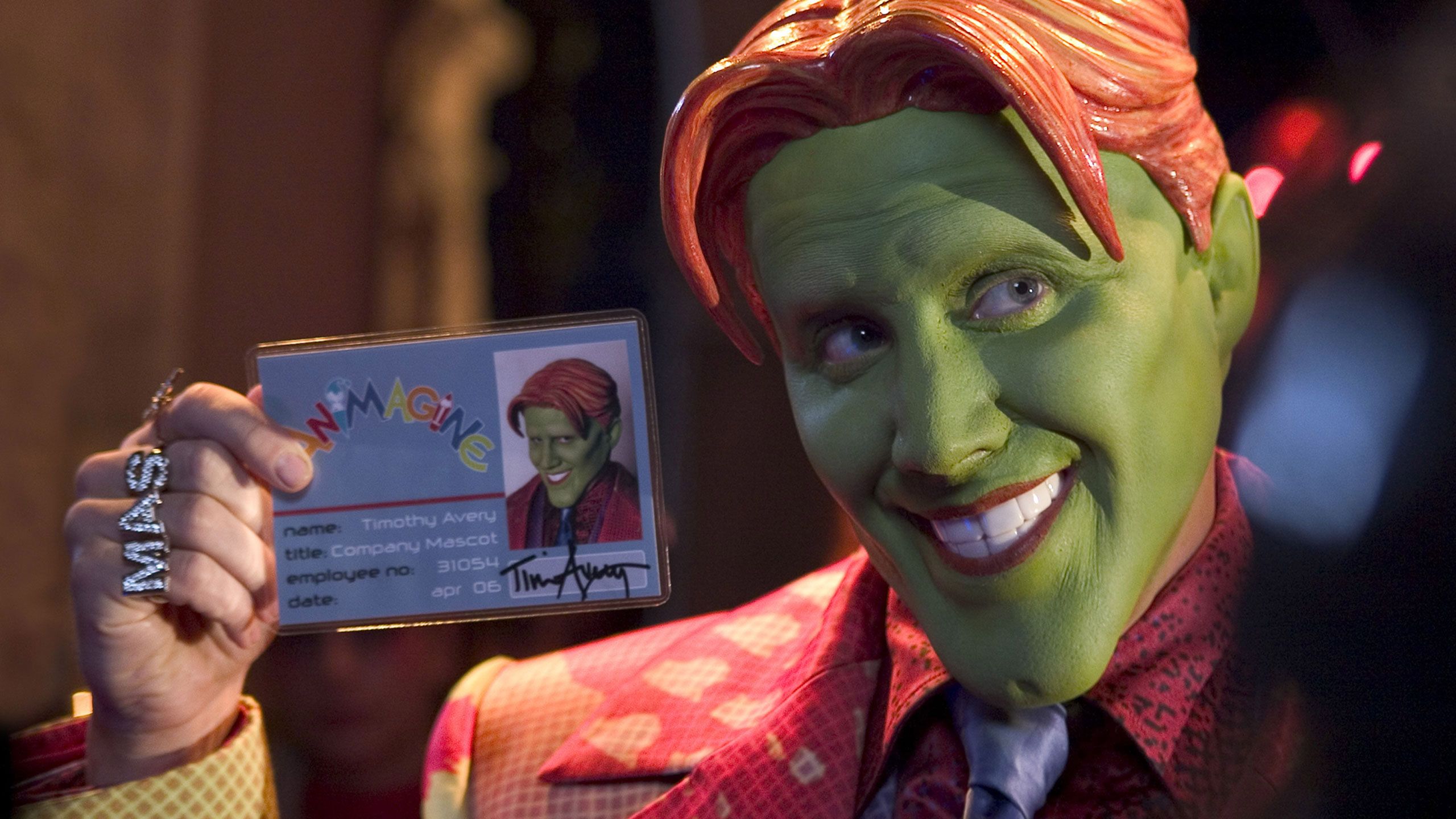
Expect the film to be a visual spectacle, pushing the boundaries of animation and CGI to create a world where anything is possible. The action sequences are a blend of creative cartoon physics and high-octane stunts, with Leo using his artistic abilities to conjure weapons and create diversions. The humor is classic “Mask,” with witty one-liners, sight gags, and a non-stop barrage of cartoon violence that is both hilarious and exhilarating.
The climax of “The Mask 3” is a surreal, all-out battle where Leo must confront the ancient organization and the full power of the mask itself. The resolution is not about destroying the mask, but about reaching a symbiotic understanding with it. Leo proves that the mask is not inherently evil, but a reflection of the person who wears it. The film ends with Leo in full control of his powers, a hero who can transform into a cartoon at will, ready to protect the city from future threats and inspire others to embrace their own inner weirdness.