S.T.A.L.K.E.R. is a haunting and thought-provoking science fiction film directed by Andrei Tarkovsky, released in 1979. Based on the novel Roadside Picnic by Arkady and Boris Strugatsky, the film explores the nature of human desires, the quest for meaning, and the boundaries between reality and the unknown. The story is set in a mysterious and dangerous zone known as “The Zone,” a place that is rumored to grant a person’s innermost wish, though it comes with risks that few are willing to face. The protagonist, simply referred to as the “Stalker,” is a guide who leads people into The Zone in search of the so-called “Room,” where their deepest desires can be fulfilled.
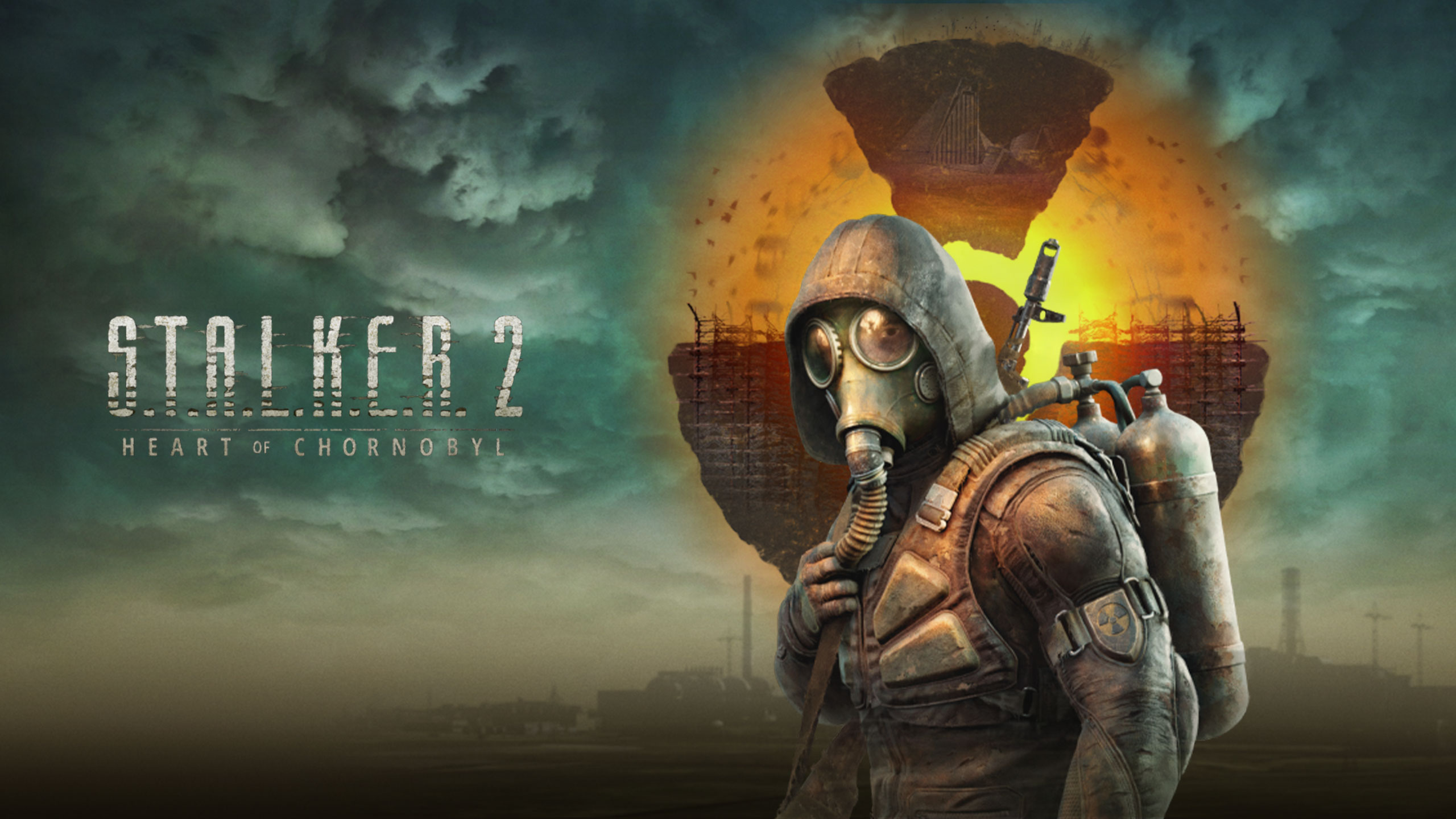
The film follows the Stalker as he embarks on a journey with two other characters: a writer, seeking inspiration, and a scientist, driven by a desire for knowledge. As the group ventures deeper into The Zone, the environment becomes increasingly surreal and unsettling. The landscape is marked by abandoned buildings, overgrown nature, and strange anomalies, all contributing to a sense of foreboding. The Zone itself seems to be alive, altering its surroundings and constantly shifting, making it a place where physical and psychological dangers collide.
As the three men navigate the treacherous path, the film delves into their inner worlds. Each character’s motivations and personal struggles unfold slowly, revealing that their journey is not just a search for the Room but a deeper exploration of their own fears, regrets, and desires. The writer hopes to find inspiration for his work, but his cynicism about the world often clashes with the Stalker’s faith in the Zone’s potential. The scientist, on the other hand, is skeptical and views The Zone as a puzzle to be solved, an intellectual challenge rather than a place of spiritual significance.

Throughout the film, Tarkovsky uses long, meditative shots to immerse the audience in the haunting atmosphere of The Zone. The cinematography, with its stark contrasts and haunting visuals, reflects the characters’ psychological states as much as the physical environment. The film’s pacing is deliberate, forcing viewers to confront the weight of each moment, much like the characters must face their own emotional and existential dilemmas.
In the end, S.T.A.L.K.E.R. raises more questions than it answers. The film is not interested in providing clear resolutions but in exploring the complexity of human desire and the nature of faith. The characters’ journey through The Zone becomes a metaphor for the search for meaning in life, as well as the existential struggle between hope and despair. The ambiguous nature of the Room’s power—whether it truly grants wishes or is merely a psychological construct—leaves the film open to interpretation and invites viewers to reflect on their own desires and fears.
S.T.A.L.K.E.R. remains a powerful and enigmatic piece of cinema, one that challenges traditional narrative structures and delves into profound philosophical questions. It is a film that lingers long after it ends, inviting contemplation on the human condition, the pursuit of happiness, and the nature of reality itself.