Out of the Furnace 2 continues the bleak and emotional story of life in a struggling steel town, where violence and poverty seem impossible to escape. The film focuses once again on the consequences of past choices, showing how unresolved trauma can follow people for years. The atmosphere remains dark and realistic, emphasizing the harsh environment that shapes every character’s decisions.
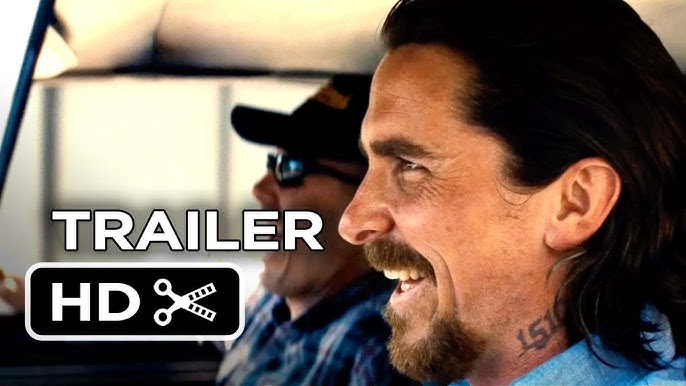
The story centers on Russell Baze, who is older and more emotionally exhausted, still haunted by the events of the first film. Although he tries to live quietly, the return of crime in the town forces him back into a world he hoped to leave behind. The disappearance of a close friend becomes the turning point, pulling Russell into a dangerous investigation connected to illegal fighting rings and organized crime.
At the same time, the film introduces new characters who reflect a younger generation facing similar struggles. These characters mirror Russell’s past, highlighting how little has changed in the town. Their desperation, anger, and lack of opportunity make them vulnerable to violence, reinforcing the film’s message that poverty can trap people in endless cycles of suffering.

The antagonist in Out of the Furnace 2 is more calculated and symbolic than purely violent. Instead of relying only on physical brutality, this figure represents a system that profits from exploitation and fear. Through this conflict, the film explores the idea that evil is not always personal but often rooted in social and economic structures that are difficult to fight.
Visually, the film maintains a cold and muted color palette, using empty factories, snowy roads, and dimly lit bars to reflect the emotional isolation of its characters. The slow pacing allows the audience to absorb the weight of each decision, making moments of violence feel sudden and deeply unsettling rather than entertaining.
In the end, Out of the Furnace 2 does not offer a simple sense of justice or happiness. Instead, it presents a realistic conclusion where survival itself is a form of resistance. The film suggests that while the furnace may never truly cool, choosing compassion and responsibility can prevent its flames from destroying everything.