Escape Plan 4 (2025) picks up with Ray Breslin older but still razor-sharp, facing what might be his greatest challenge yet. After years of breaking out of prisons, this time Breslin finds himself trapped in a fortress engineered to be unbreakable — hidden deep within a remote, hostile territory. With familiar allies returning and new enemies emerging, the film reinvents the prison-break formula for the modern age.
From the opening scene, we see Breslin lured into a trap: a covert organization has designed a new “ultimate containment” facility that neutralizes his usual methods of escape. The walls shift, surveillance is omnipresent, and guards are supported by advanced AI-powered security drones and hacking countermeasures. He quickly realizes this is not just a prison—it’s a high-tech labyrinth meant to test his mind, stamina, and moral resolve.
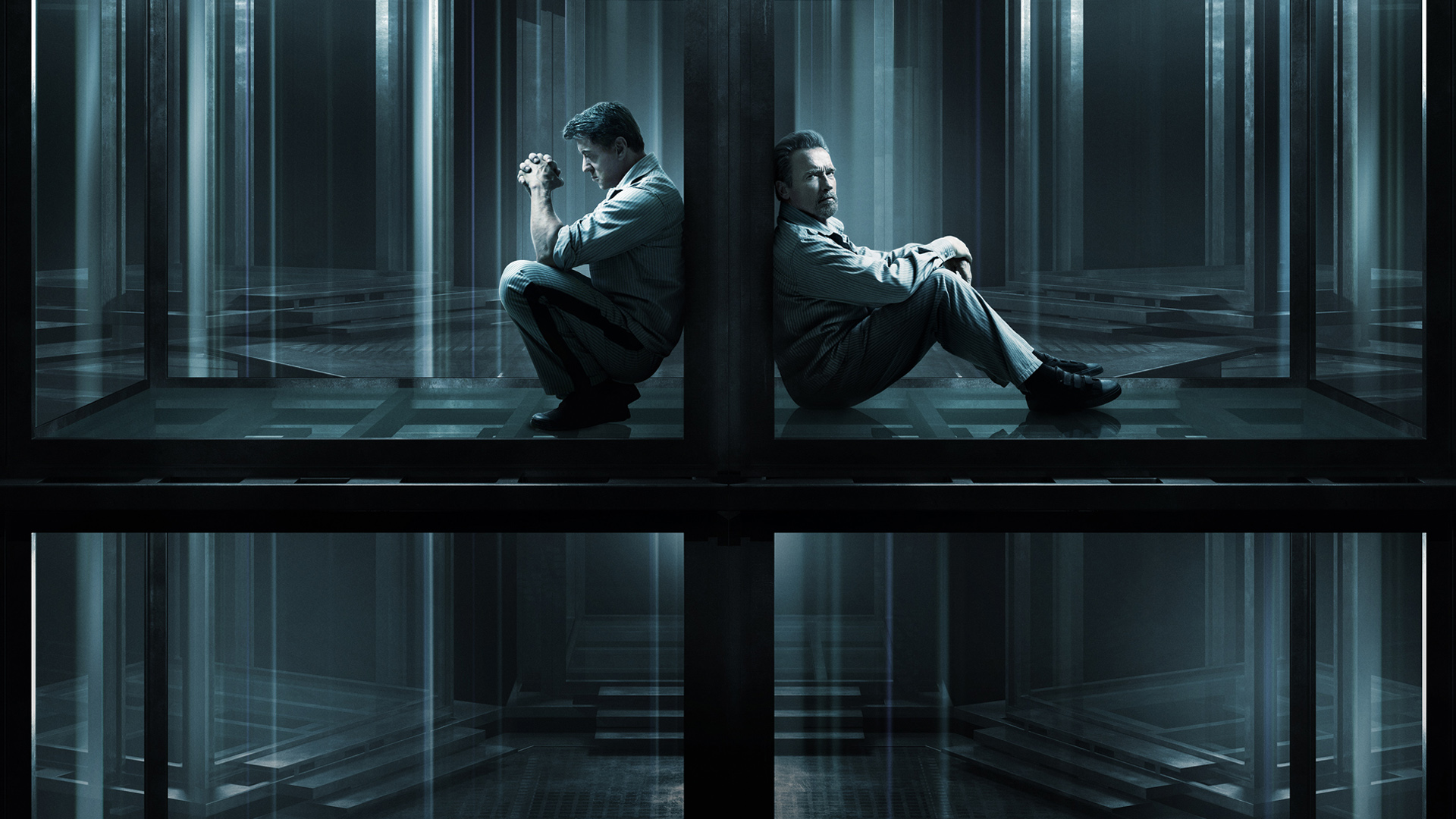
Separated early on from his longtime partner Trent DeRosa, Breslin must navigate a series of brutal environments: flooded mechanical shafts, electrified corridors, and sound-proof isolation cells. The desertion of allies forces him to improvise new alliances — even with inmates he would have once written off. Some of them betray him, others risk everything to help, and Breslin begins to question who he can trust in this ruthless place.
As Breslin makes progress, the captors escalate their tactics. Hackers remotely disable his fallback systems, guards deploy non-lethal incapacitating weapons, and psychological traps are introduced: fake exits, ghost alarms, and ever-morphing layouts. The film repeatedly builds tension through the contrast between Breslin’s old-school ingenuity and the prison’s relentless modern upgrades. At times it feels like a chess match played inside a death trap.

Midway through, a turning point comes when Breslin finds an unexpected ally in a reluctant technician who helped design the fortress. Through their uneasy alliance, Breslin learns the architectural fingerprints of the prison — the weak joints, redundancy failures, and control-room overrides that even the builders didn’t fully anticipate. This knowledge ignites hope, but it also raises stakes when he realizes the enemy anticipated contingency plans and is ready to eliminate any loose ends.
In the climactic stretch, Breslin orchestrates a daring escape sequence that interleaves brute force and mental agility: sabotaging power grids, outsmarting the AI surveillance network, and turning the prison’s own shifting walls against itself. Reunited with Trent DeRosa and other survivors, he makes a final sprint to freedom. The film ends with Breslin looking at the sunrise, battered but unbroken, already scheming what his next challenge might be.
Escape Plan 4 thus delivers a modernized version of the franchise’s familiar formula: high stakes, evolving technology as antagonistic architecture, and a hero who refuses to surrender. The movie emphasizes how even the most advanced containment can be undone by creativity, courage, and an unyielding will to survive.