The Mud (2025) opens with a grim prologue: a remote logging town in the Pacific Northwest is battered by relentless rains, turning its surrounding forests into a muddy wasteland. What once was a thriving community clinging to the timber industry now teeters on collapse, both environmentally and socially, as logging trucks vanish, locals go missing, and a creeping dread spreads. The mud is both literal and metaphorical—earth that won’t let go, secrets embedded deep, and a town slowly sinking under its own past.
The main character, Clara Reyes, is a former environmental scientist who left her hometown years ago after a scandal. When her younger brother, Marco, calls saying he’s uncovered strange activity in the forest—trees felled illegally, trucks going off-road into swampy areas, and a hidden facility—they assume it’s just more poaching. Clara returns reluctantly, hoping to help clean up Marco’s mess and then go home. But she soon realizes this is not a simple case of illegal logging: something in the mud is alive, and it’s hunting.
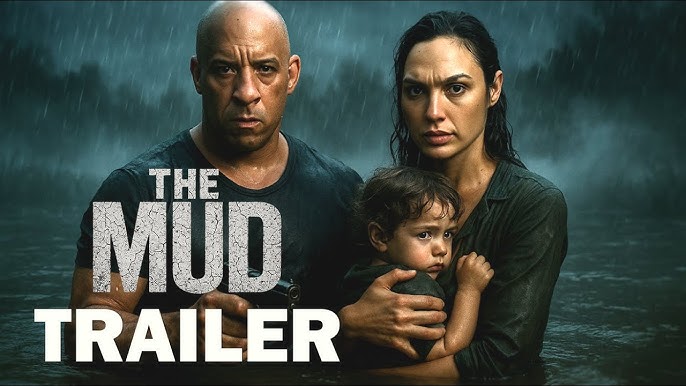
As Clara and Marco investigate deeper, they find that a private corporation has been dumping experimental biological waste into the watershed. The toxic sludge has mutated native amphibians, turning frogs and salamanders into aggressive, oversized predators that thrive in the muddy terrain. Worse, the toxins have seeped into the mud itself, making the ground treacherous, unstable, and alive with shifting dangers. Vehicles get stuck or pulled under by suction, and people walking through the forest find themselves swallowed knee-deep in acidic sludge.
The town’s sheriff initially dismisses Clara’s warnings as environmental scare tactics, but a string of fatalities—missing loggers, sinkholes opening under campers, and animals behaving erratically—forces him reluctantly to cooperate. Clara assembles a small team: Marco, a skeptical forest ranger, and a local journalist who smells a cover-up. Together they trek into the forest, increasingly isolated and stalked by mutated creatures that strike from the waterlogged ground.

Tension builds in mid-film as the team loses communications, the rain intensifies, and the mud refuses to release them. Clara must use her scientific training to develop a makeshift antidote or neutralizer for the toxic sludge, while the others fend off ambushes from giant amphibians and avoid quicksand-like sink spots that open without warning. Trust frays as desperation grows—Marco wants to blow up the hidden facility to contain the spread, while Clara fears that will only spread toxins further downstream.

In the climax, the team reaches the underground facility buried beneath ancient trees and saturated soil. As mud slides and mutated creatures swarm, Clara confronts the facility’s CEO in a flooded corridor, using her antidote to neutralize the worst of the sludge just as the ground collapses. In a final scramble through collapsing forest and mudflows, Clara and Marco barely escape as the facility implodes under its own contamination.
The Mud concludes with a bittersweet tone: Clara decides to stay and help rebuild the ecosystem, using her knowledge to restore the watershed and warn against future corporate recklessness. The forest is still scarred, and the mud still clings—but the survivors walk away muddy, yes, but alive and determined to heal what was broken.