The Dutton Ranch (2025) is a gripping neo-Western drama that brings together themes of family loyalty, land disputes, and the high stakes of modern ranching life. Set against the rugged beauty of Montana, the film follows the Dutton family as they struggle to defend their ancestral ranch from outside forces determined to take it away. At the heart of the story is patriarch John Dutton, a hardened yet deeply protective leader who is willing to risk everything to ensure that the land remains in the hands of his family.
The story begins with the ranch facing financial troubles, leaving the family vulnerable to corporate developers eager to buy the land and turn it into a luxury resort. While John resists, his children have differing views. His eldest son, David, believes selling the ranch is the only way to secure their future, while his daughter, Emily, passionately argues for preserving the family’s heritage at all costs. This conflict between generations fuels much of the film’s tension, creating emotional depth beyond the external battles.
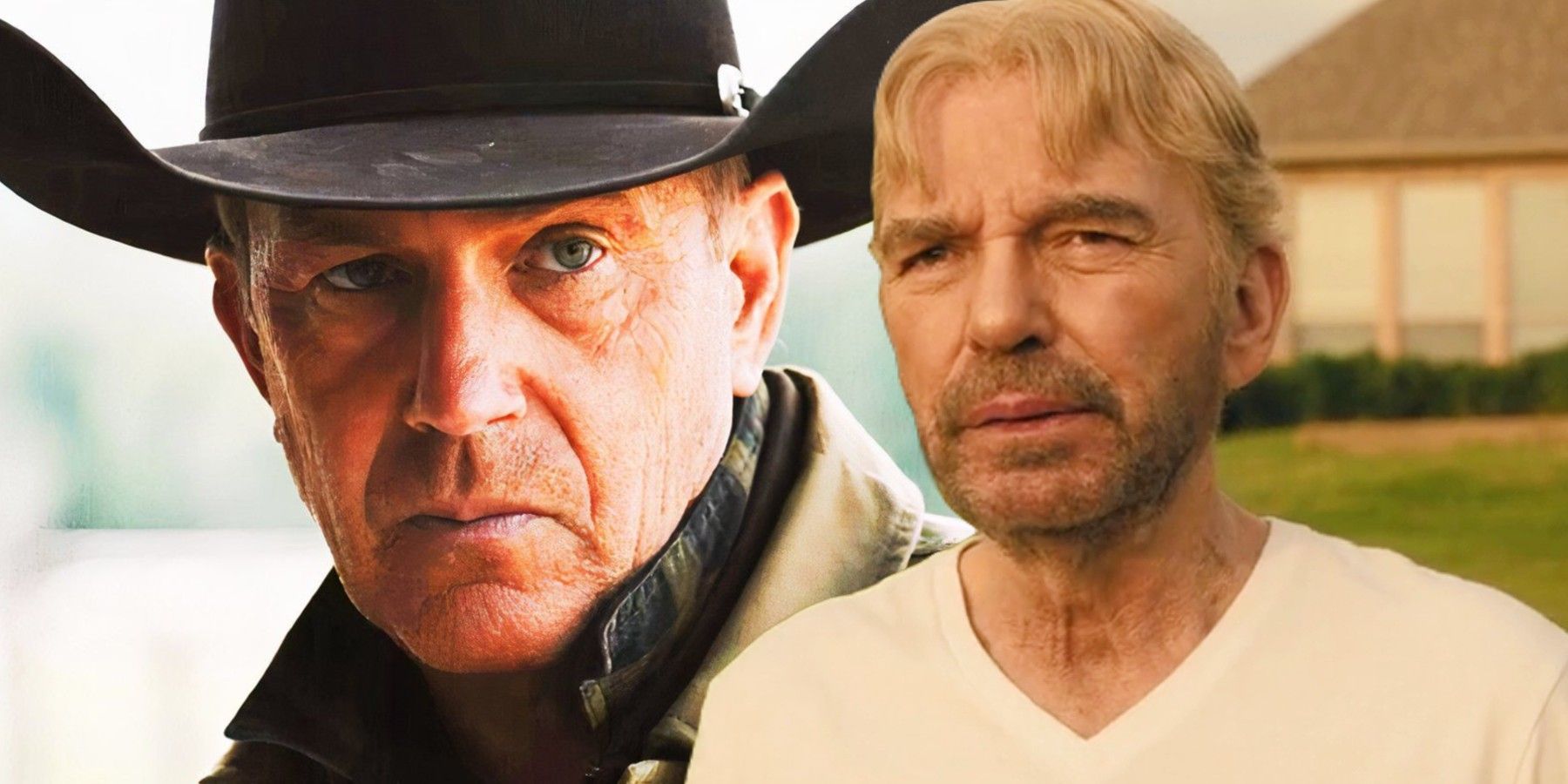
As the developers increase their pressure, the family finds themselves drawn into a darker world of sabotage, betrayal, and political maneuvering. A corrupt local senator aligns himself with the developers, threatening to push through legislation that would strip the Duttons of their rights. Meanwhile, mysterious accidents begin happening on the ranch, from poisoned cattle to arson, hinting that someone within their circle might be feeding information to their enemies.
The film also highlights the brutal realities of ranch life, with breathtaking sequences of cattle drives, wild horse wrangling, and the sheer struggle of survival in an unforgiving environment. These scenes are not just visually stunning but also reinforce the theme that the land demands both sacrifice and resilience. The Duttons’ connection to the ranch goes beyond business—it is a legacy carved into their identity.
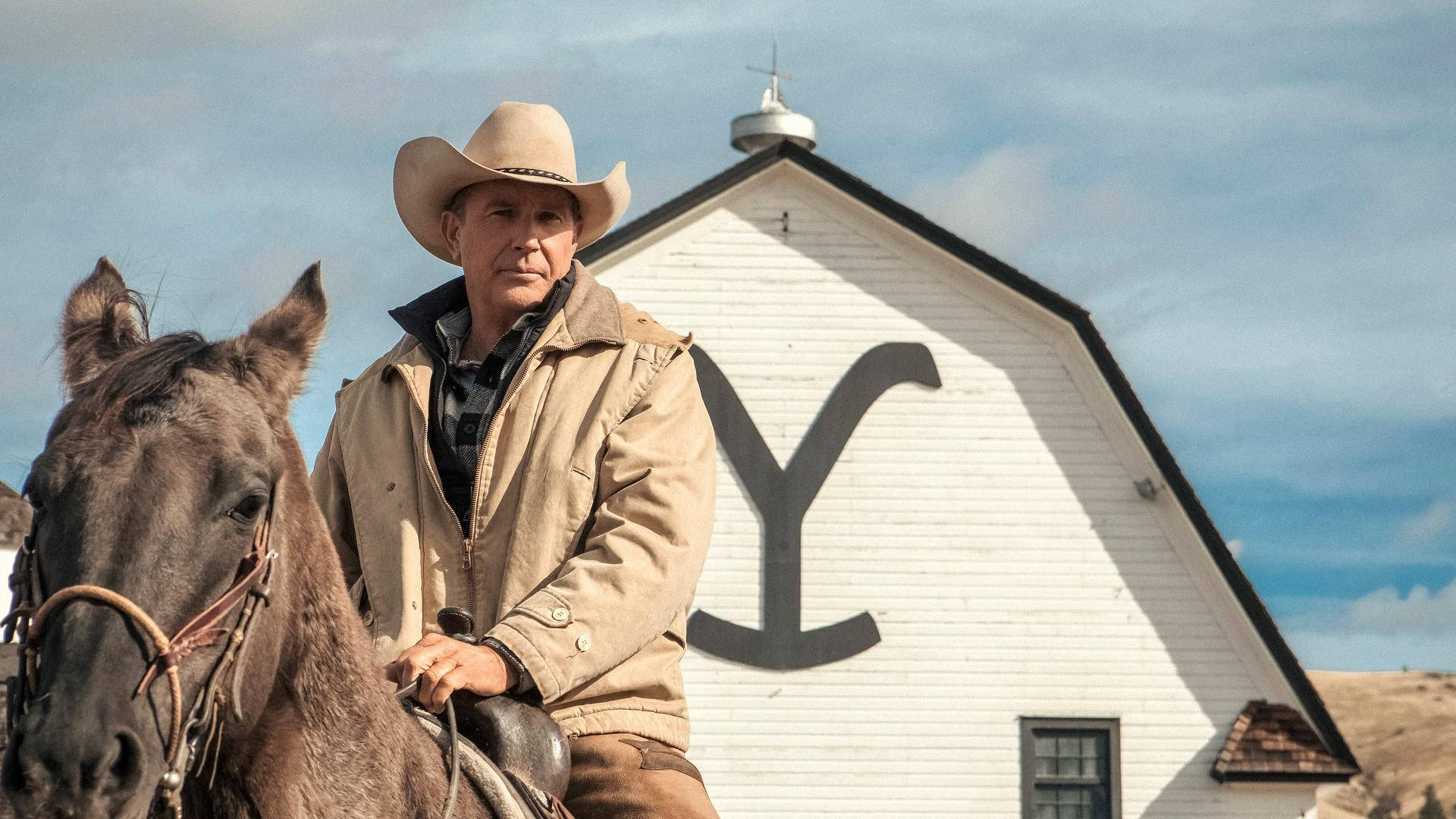
As tensions rise, alliances are tested. Emily forms a bond with a neighboring rancher who offers support, but his own motives remain unclear. David, torn between loyalty to his father and his pragmatic instincts, faces a moral crisis when the developers offer him a deal that could secure his financial independence but betray his family. These personal struggles mirror the broader conflict, making the film as much about family dynamics as it is about land.
In the climax, the Duttons confront their adversaries in a dramatic showdown that blends courtroom drama with raw, physical confrontation on the ranch itself. The outcome is bittersweet: though they succeed in preserving their land, the cost is heavy, leaving scars that may never fully heal. Yet the closing moments capture the resilience of the family, standing together against the Montana sunset, symbolizing both survival and sacrifice.
The Dutton Ranch is a story of grit, betrayal, and unbreakable bonds, blending the grandeur of the American West with the complexities of modern family life. It reminds audiences that sometimes the fiercest battles are not fought with guns or power, but with the unyielding determination to protect what matters most.