When Alita: Battle Angel hit theaters in 2019, audiences were captivated by its breathtaking visuals and the emotional depth of its main character, Alita. What many people didn’t realize at first glance was that the heart of this cybernetic warrior came from the extraordinary performance of Rosa Salazar. Her portrayal went far beyond mere motion capture; it was a full-bodied, emotionally charged performance that gave life to a digital character in a way few films had ever achieved before.
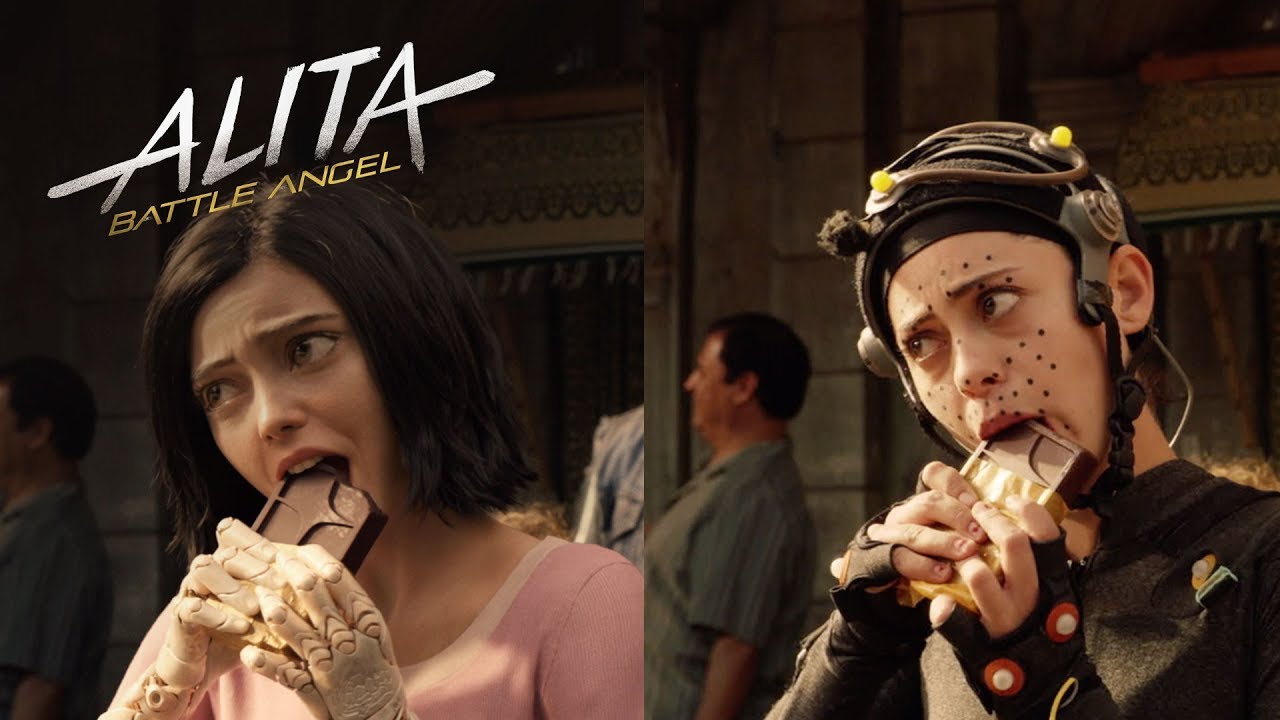
Rosa Salazar’s journey into the role of Alita began with extensive preparation, both physically and emotionally. She spent months training in martial arts, learning to move with precision and grace to capture the fluid, yet powerful style of combat the character demanded. Beyond the physical transformation, she delved deeply into the psychological aspects of Alita, who awakens with no memory and must rediscover her identity in a chaotic world. Salazar’s commitment allowed the audience to feel Alita’s vulnerability, innocence, and determination, creating a connection that transcended her computer-generated appearance.
Working with director Robert Rodriguez and producer James Cameron, Salazar entered a world of groundbreaking technology. The performance-capture process was intense, requiring her to wear a suit covered in sensors and act on a bare soundstage. Yet she never let the technology overshadow her performance. Instead, she embraced it as an extension of her art. Every subtle movement, every flicker of emotion across her face was recorded, then translated into Alita’s expressive, large-eyed visage. The result was a digital character that felt profoundly real.
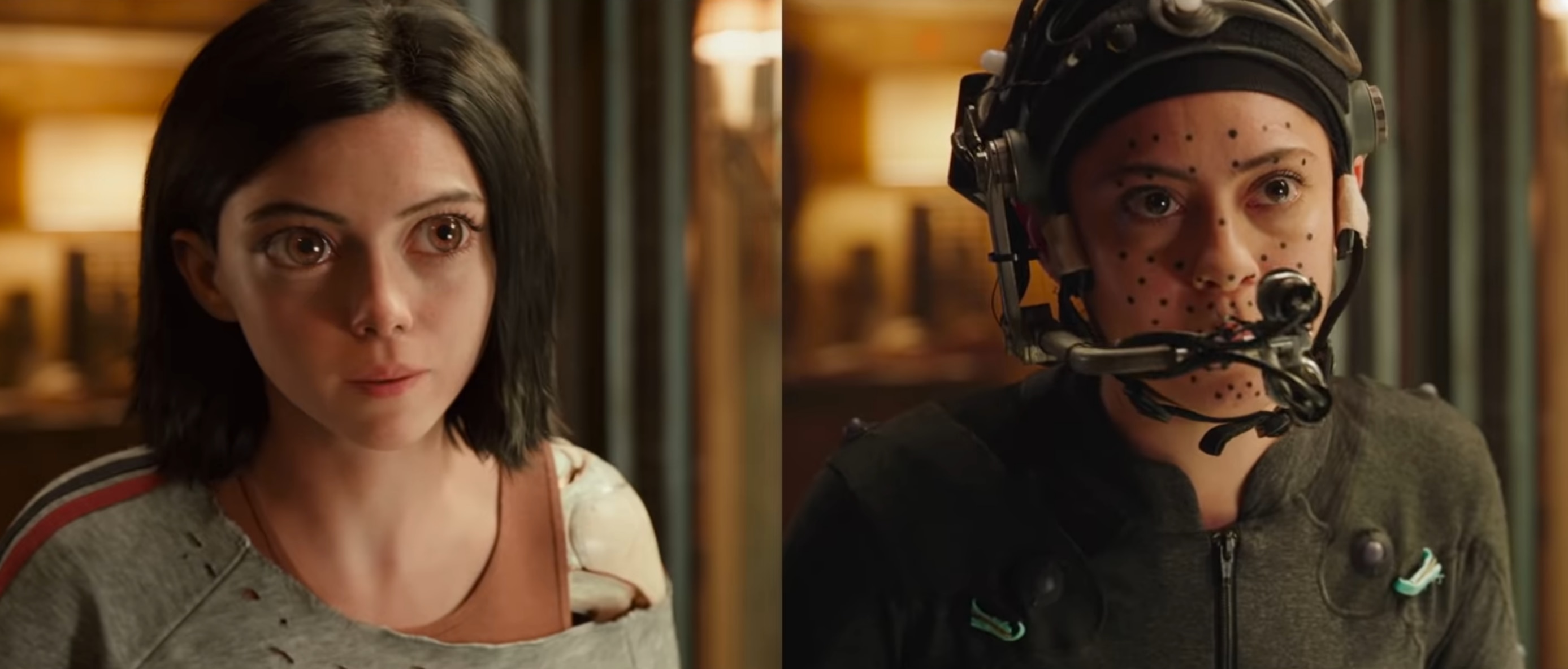
One of the most remarkable aspects of Salazar’s performance is how she balanced strength and sensitivity. Alita is both a fierce fighter and a curious young woman discovering her place in the world. Through Salazar’s expressive eyes and passionate delivery, viewers could feel every emotion—joy, confusion, pain, and love. This blend of humanity and power made Alita not just a visual marvel but a deeply relatable character.
Critics praised Salazar for bringing warmth and authenticity to a technologically complex role. Many noted that her performance helped bridge the gap between animation and live action, showing that motion capture can capture true human emotion when guided by a talented actor. For Salazar, Alita became more than a role—it was an opportunity to redefine what digital characters could be.
Ultimately, Behind the Magic: Rosa Salazar as Alita reminds us that technology alone cannot create magic on screen. It is the human heart behind the performance that makes a character unforgettable. Rosa Salazar didn’t just play Alita; she became her, breathing soul into steel and circuitry, and proving that even in a futuristic world of machines, humanity remains the most powerful force of all.