Snakes on a Plane 2: Venom at 30,000 Feet (2026) brings back the outrageous tension and chaotic energy of the original film, raising the stakes with an even deadlier airborne catastrophe. The story begins with a state-of-the-art luxury aircraft on its inaugural transpacific flight, packed with celebrities, diplomats, and tech executives. Everything appears smooth until a covert shipment hidden in the cargo bay ruptures midflight, releasing genetically enhanced serpents engineered for warfare. Within minutes, the peaceful atmosphere turns into a nightmare as passengers hear the first ominous hisses echoing through the cabin.

The sequel reintroduces Agent Neville Flynn, now retired but reluctantly pulled back into action after intelligence suggests that the attack is tied to a bioterrorist group he once investigated. As fate would have it, Neville ends up on the same flight after being persuaded to escort a key witness. When the serpents break loose, his instincts kick in, and he becomes the de facto leader of the terrified passengers. The film quickly shifts into a tense battle for survival as the snakes slither through ventilation shafts, drop from overhead compartments, and strike without warning.
Meanwhile, the cockpit faces its own crisis. The pilots discover that the venom of these engineered snakes contains a neurotoxin capable of disrupting electronic systems, causing the aircraft’s controls to malfunction. With turbulence increasing and altitude dropping, the crew must stabilize the plane while dodging serpents that have infiltrated the flight deck. Their struggle creates a parallel storyline full of suspense, contrasting the chaos in the cabin with the simmering dread behind the locked cockpit door.
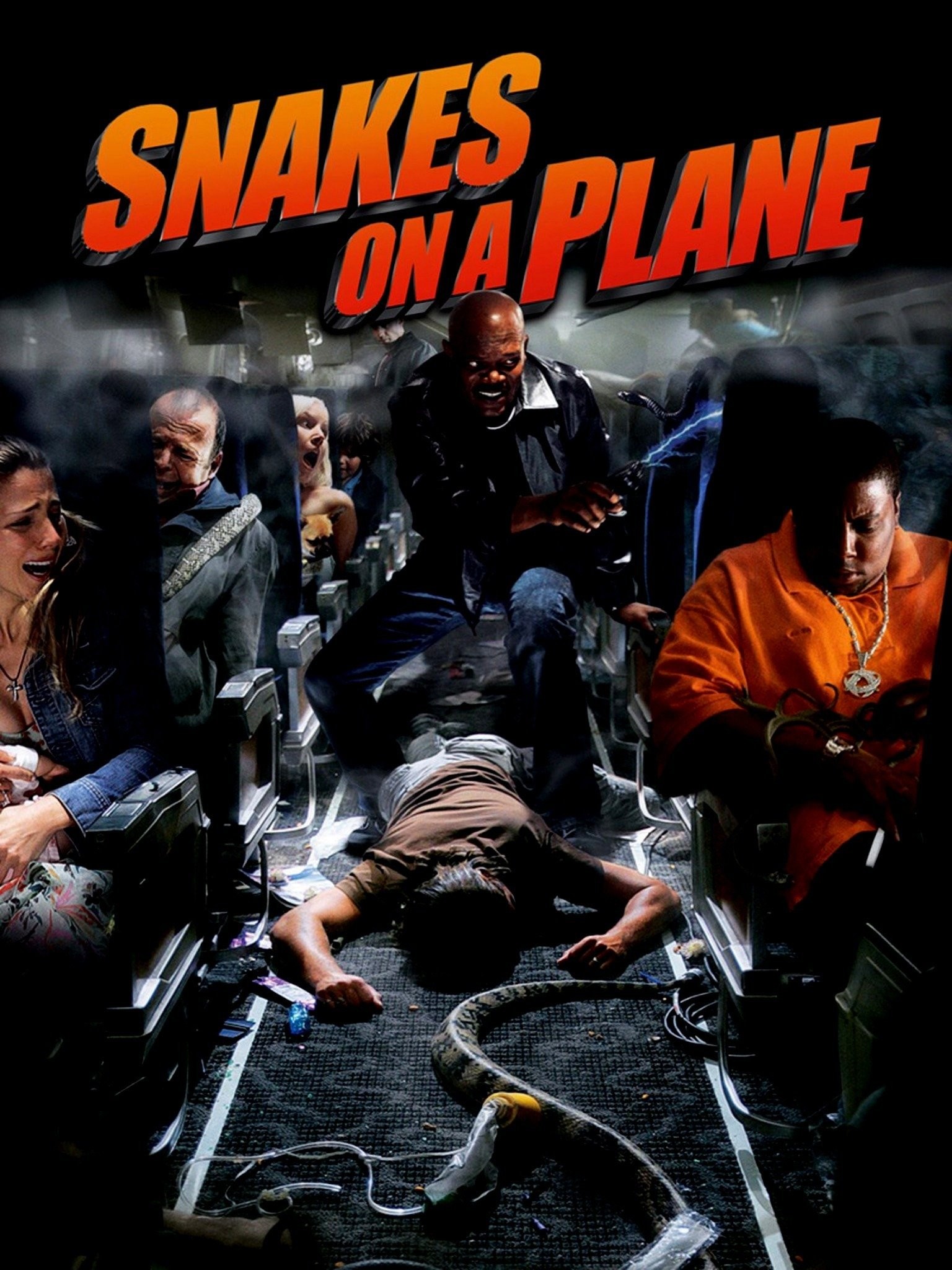
As the situation worsens, Neville partners with a resourceful flight attendant named Mara, who becomes essential to organizing the passengers and creating improvised defenses. Their dynamic adds both humor and heart to the escalating tension, especially as they attempt to outsmart serpents designed to hunt collectively. The passengers, ranging from pop stars to politicians, must put aside their egos and fears, revealing unexpected courage—and sometimes hilarious incompetence.
The villain behind the catastrophe is gradually revealed through intercepted communications: a rogue scientist seeking revenge on the corporation that exploited her research. Her deadly plan aims to expose the dangers of militarized biotechnology by unleashing it on a global stage. The plane becomes both her message and her weapon, leaving Neville and Mara racing to disable a secondary device set to release an even larger swarm.
The climax builds as they crawl through narrow maintenance tunnels beneath the cabin, fighting off the mutated alpha serpent while the plane plummets toward the ocean. With seconds left, Neville triggers a manual override, allowing the pilots to regain control. The final moments show the aircraft skidding across a remote runway, battered but intact, while survivors stumble out in shock and relief.
The film ends with Neville watching emergency crews secure the last of the serpents, hinting that the threat may not be over. As the screen fades, the lingering hiss suggests that Venom at 30,000 Feet leaves the skies far from safe, setting the stage for even more airborne terror.