Lorelai and Rory return to the screen in Gilmore Girls: Generations, a continuation that explores how their bond evolves as they enter new stages of life. The story begins with Stars Hollow buzzing in familiar, quirky fashion, yet the tone quickly reveals deeper shifts beneath the charm. Lorelai faces the quiet anxieties of aging, recognizing how the town, the people she loves, and even her own dreams have changed. Rory, now navigating adulthood with sharper clarity than before, begins asking herself what kind of legacy she wants to build, both within and beyond her family.
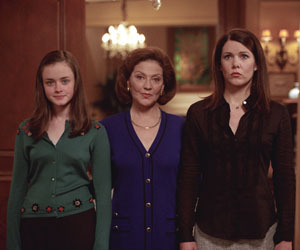
Rory’s journey becomes a central emotional thread as she confronts the consequences of earlier choices and the uncertainty of her career. Instead of the restless drifting that once defined her, she is now determined to find purpose, though the process is still messy and unpredictable. Her moments of reflection—whether in the newsroom, at Emily’s house, or during late-night talks with her mother—highlight the tension between who she expected to be and who she is becoming. The show uses her growth to explore generational pressures and the fear of not living up to one’s own potential.
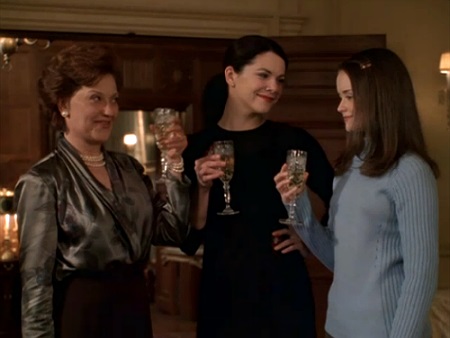
Meanwhile, Lorelai wrestles with her role as both a mother and a woman still discovering herself. Her relationship with Luke deepens, not through dramatic turmoil but through the quiet challenges of long-term commitment. She begins reevaluating her priorities, questioning whether the dreams she once chased still fit the person she is now. The warmth and humor remain, but they are layered with new emotional weight as Lorelai understands that even the most confident people can feel unsteady in the face of change.
Emily Gilmore also stands at the heart of the film’s generational theme. Her grief has softened into a poignant desire to reconnect with the family in more authentic ways. Moments between Emily and Rory, once fraught with tension, now carry an undercurrent of mutual respect. Their evolving dynamic sheds light on how generations influence each other, often in ways that go unspoken until years later.
Stars Hollow’s eccentric residents bring levity and nostalgia, yet their storylines subtly mirror the Gilmore women’s transitions. Characters like Lane, Paris, and Kirk face their own crossroads, reminding viewers that adulthood is an ongoing process rather than a destination. These parallel arcs add richness to the film’s tapestry and reinforce its message about the interconnectedness of community.
By its final scenes, Gilmore Girls: Generations weaves a portrait of family that is at once familiar and newly resonant. It celebrates the bonds that endure through change while acknowledging that growth often comes with discomfort. Through heartfelt conversations, complicated choices, and the timeless magic of Stars Hollow, the film honors the spirit of the original series while exploring how each generation writes its own chapter.