The Walking Dead: Season 12 continues the long-running saga of survival, resilience, and moral reckoning in a world dominated by the undead. In this imagined continuation of the series, the season opens with the remnants of the communities grappling with the fragile peace established after the fall of the Commonwealth. Although the immediate political chaos has settled, deeper fractures remain, and familiar faces must confront not only walkers but the consequences of choices made over the years.
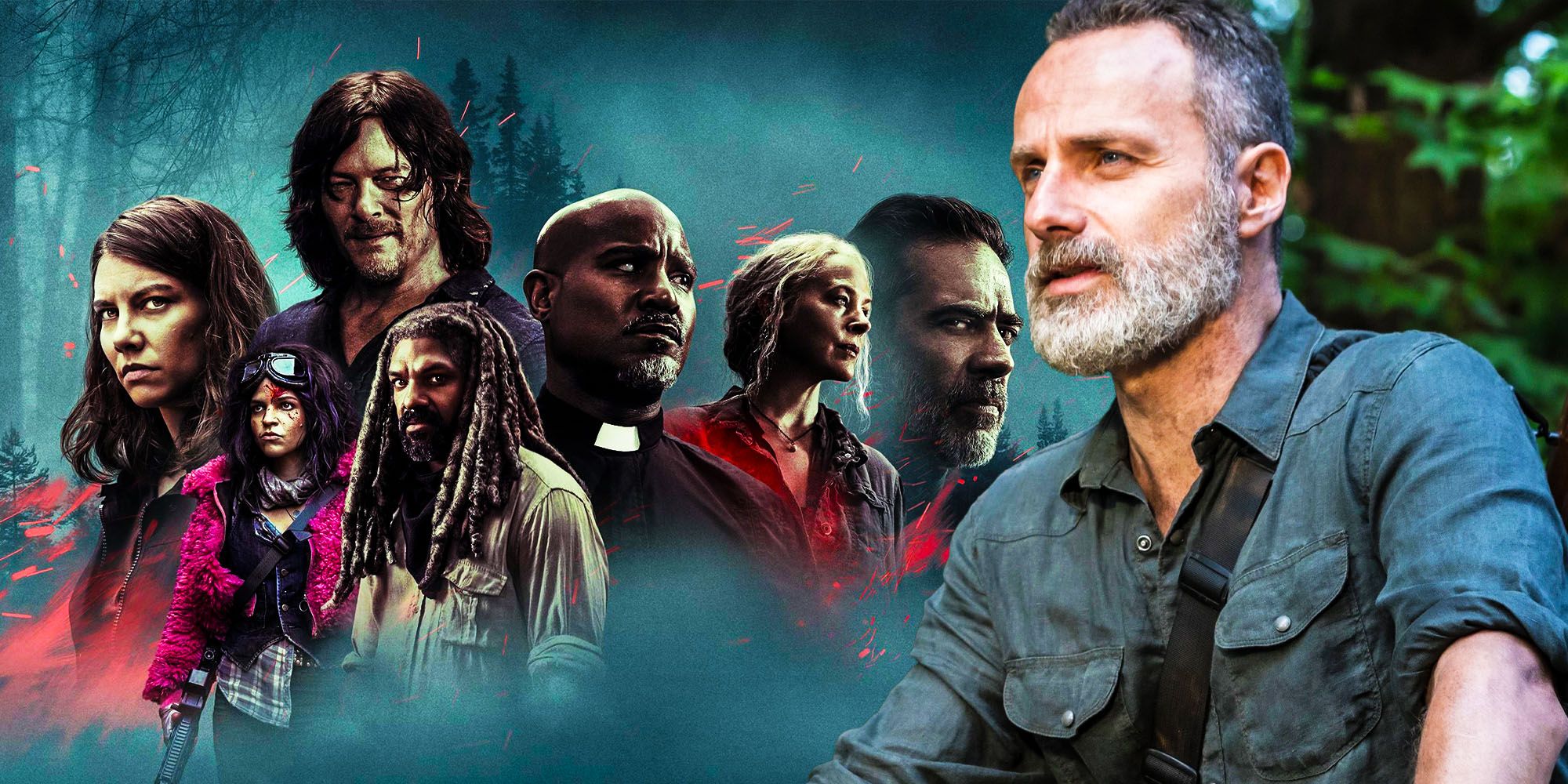
The early episodes focus on rebuilding efforts as characters like Daryl, Carol, Maggie, and Ezekiel attempt to form a new alliance of communities. Resources are dwindling, and new groups of survivors arrive seeking help, creating tension between the instinct to trust and the fear of repeating past mistakes. These narrative threads re-establish one of the core themes of the show: the struggle to preserve humanity in a world that demands brutality.
Midseason developments introduce a fresh threat—not a vast army or a tyrannical leader, but a stealthy faction known as The Quiet, a group that survives by living in complete silence and attacking without warning. Their eerie presence forces the communities to rethink their strategies and deepen their reliance on one another. The season uses this new enemy to revisit the psychological toll of constant danger, especially on characters who have already endured tremendous loss.

Daryl’s storyline becomes a central emotional anchor, exploring his growing sense of responsibility as he steps into a more defined leadership role. Meanwhile, Carol confronts her own inner battles, struggling with guilt and exhaustion while finding renewed purpose in guiding young survivors. These character-driven arcs ground the action with emotional depth and offer long-time fans a sense of continuity.
As the season progresses, alliances are tested when disagreements arise about how to confront The Quiet. Maggie’s more aggressive approach clashes with Ezekiel’s renewed optimism, highlighting the ideological diversity that has always defined the survivors’ group dynamics. The emerging conflict raises questions about whether unity can survive when survival itself remains uncertain.
The final episodes deliver a mix of high-stakes confrontation and introspection. The communities face their enemy in a desperate campaign that emphasizes cooperation over dominance, echoing the show’s enduring message that survival is not just about defeating threats but about choosing what kind of world to rebuild. The season ends on a hopeful yet open note, suggesting that while new dangers will always arise, the bonds formed over years of shared hardship remain their greatest weapon.