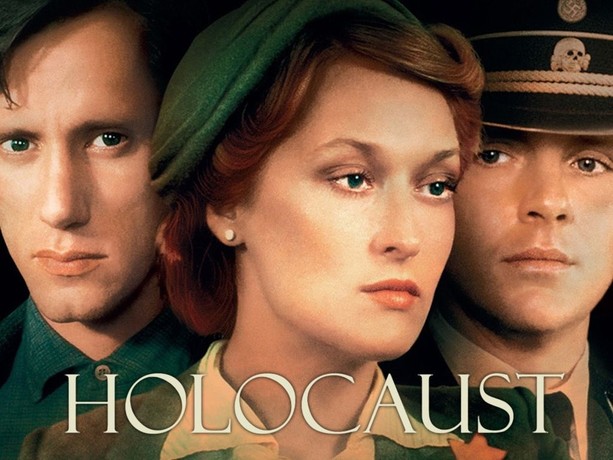
“Holocaust” (1978) follows the tragic and intimate journey of the Weiss family, German Jews whose lives are shattered by the rise of Nazism. The story begins in Berlin during the early 1930s, when the Weisses live a peaceful, middle-class life filled with family gatherings, celebrations, and ambition. As Hitler gains power, their world gradually darkens. At first, the prejudice appears subtle — lost jobs, increasing restrictions, and whispered fears — but it grows rapidly into a brutal system designed to erase their existence. The family members, each with different hopes and dreams, experience the tightening grip of hatred in their own painful ways.
Dr. Josef Weiss, the family’s father, is a respected physician, but new laws target Jewish professionals, leaving him without work and dignity. His wife, Berta, struggles to keep the family together while watching the society around them transform into something unrecognizable. Their sons, Karl and Rudi, face a future filled with uncertainty. Karl, a talented artist, sees his career destroyed and is eventually sent to a labor camp, while Rudi, the youngest, flees Germany and becomes part of the resistance, clinging to the belief that he can still fight back. Their daughter, Anna, is swept into danger early when she enters into a difficult marriage and becomes a victim of the increasingly oppressive state.
Running parallel to the Weisses’ suffering is the story of Erik Dorf, an unemployed lawyer who rises rapidly through the ranks of the SS. His journey reflects how ordinary individuals can become instruments of horror. Through him, the film exposes the cold machinery of the Nazi system — the meetings, the policies, the chilling logic used to justify mass murder. As Erik becomes more deeply involved in the Final Solution, his moral decay serves as a haunting contrast to the Weisses’ courage and endurance.
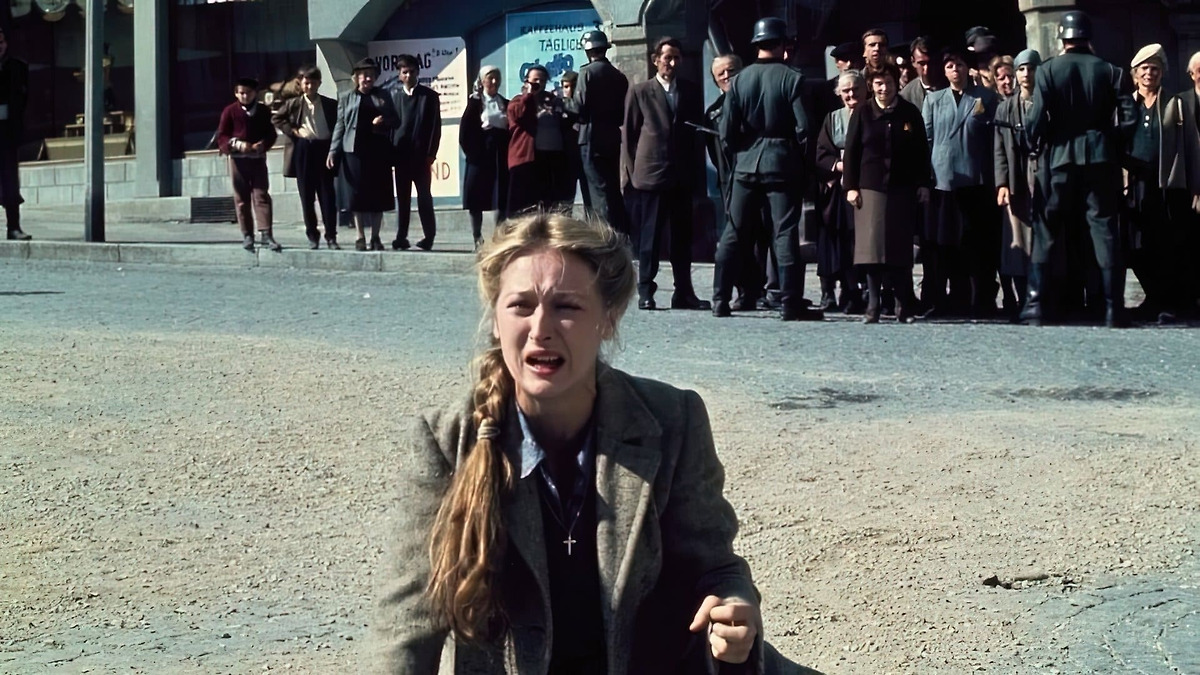
As conditions worsen, the family is separated, moved to ghettos, labor camps, and eventually concentration camps. Each step marks another loss of humanity, yet the characters continue to fight, hope, and cling to memories of a life that once felt safe. The film portrays the relentless brutality of the Holocaust, but also highlights moments of compassion, resistance, and resilience that emerge even in the darkest circumstances.
In the final chapters, the fate of the Weiss family becomes a tragic representation of the millions who perished. While a few survive, most are lost to the camps, leaving behind only their stories and the unbearable weight of what they endured. “Holocaust” (1978) ends not with triumph but with remembrance, urging viewers to confront the magnitude of the tragedy and to understand the human faces behind the historical facts. Through its depiction of one family’s destruction, the miniseries becomes a powerful reminder of the importance of memory and the responsibility to ensure such horrors never happen again.