The film Conan the Barbarian follows the journey of a warrior shaped by both tragedy and relentless determination. It begins with Conan’s childhood in a remote Cimmerian village, where he lives a peaceful life with his family until the ruthless warlord Thulsa Doom raids the settlement. Doom’s army slaughters the villagers, and Conan watches helplessly as his parents are killed. The young boy is taken into slavery, forced to push a massive wheel for years, and through this grueling labor he grows into a powerful, muscular man hardened by suffering and silence.
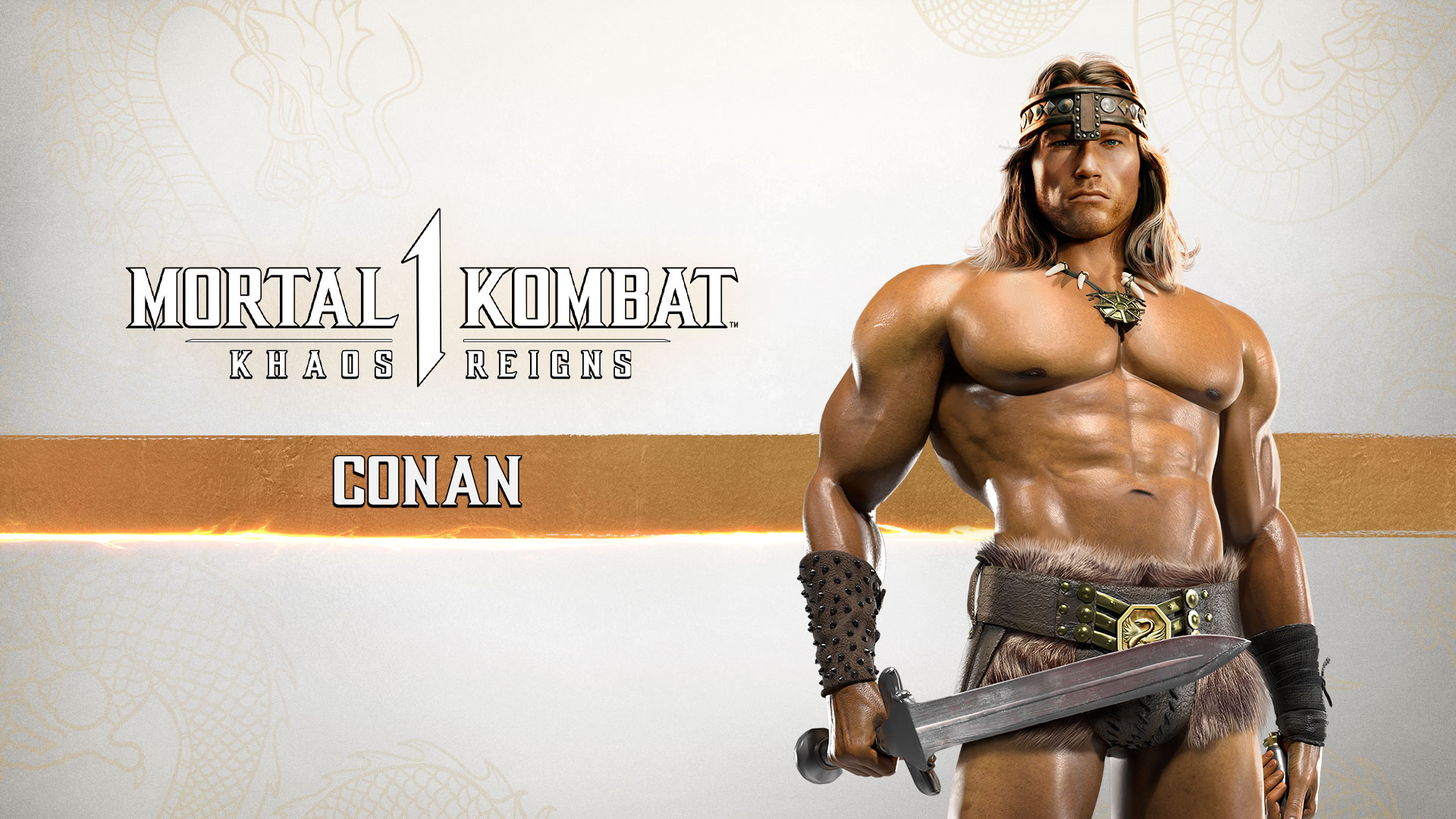
As Conan reaches adulthood, he is sold to trainers who turn him into a gladiator. In the brutal fighting pits, he learns to survive through strength, instinct, and developing skill. With every victory he becomes more respected and feared, eventually gaining enough recognition that his masters grant him an education in languages, philosophy, and refined combat techniques. Despite this, his mind remains fixed on one purpose: vengeance for his family and people. When he is unexpectedly freed, he sets out into the vast, unforgiving world in search of Thulsa Doom.
During his travels, Conan meets allies who shape his path. He befriends Subotai, a skilled archer and thief, forming a bond forged through shared hardship. Later, he encounters Valeria, a fierce and capable warrior who becomes both his partner in battle and in love. Together, they take on mercenary work and gradually uncover traces of Doom’s growing cult, a powerful force seducing followers with promises of transformation and salvation.
Their quest eventually leads them to a major temple controlled by Doom, where the trio undertakes a daring infiltration. Conan confronts the high priest, only to be captured and nearly killed. Doom mocks him, questioning the meaning of steel compared to the strength of the will. Though Conan survives the ordeal with the help of his friends, the encounter forces him to confront not just his desire for revenge but the deeper meaning behind power and loyalty.

After recovering, Conan and his allies launch a final assault to rescue a princess ensnared by Doom’s influence. In a climactic battle filled with fire, steel, and raw determination, Conan faces Doom at last. The long-awaited confrontation is both physical and symbolic, representing the end of Conan’s servitude to the past.
When Doom falls, the cult collapses, and Conan stands alone, no longer driven solely by anger. The film ends with a sense of mythic promise, hinting at the legendary king he will one day become—a man shaped not only by violence but by resilience, wisdom, and destiny.


